
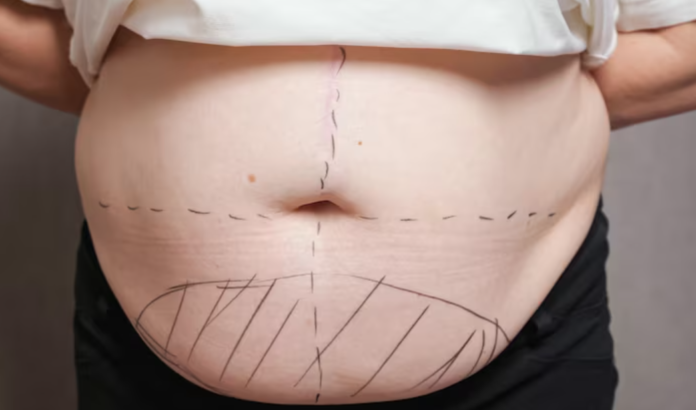

In recent years, bariatric surgery in Turkey has become a popular choice for people looking for medical support with weight management. Turkey, especially Istanbul, is known for having experienced surgeons, modern hospitals, and organized care for international patients. These services cover common bariatric procedures such as the gastric sleeve, gastric bypass, mini gastric bypass, and gastric balloon treatments.
Preparing properly before surgery and following the recommended care after surgery are both important parts of the process. When patients understand what to expect at each stage, they are better able to make informed decisions and follow medical advice with confidence.
What Is Bariatric Surgery?
Bariatric surgery refers to a group of procedures designed to support weight reduction by altering the stomach or digestive process. Commonly performed options include gastric sleeve surgery, which reduces stomach volume, and gastric bypass procedures that modify nutrient absorption pathways.
These procedures are generally performed using minimally invasive laparoscopic techniques, which are widely used in modern bariatric care. The choice of procedure depends on individual health factors and is determined after clinical evaluation and consultation with a qualified bariatric surgeon.
Pre Operative Preparation: Establishing Medical Readiness
Appropriate preparation before surgery is essential for safety and recovery. A multidisciplinary evaluation is typically recommended to assess overall health status and suitability for surgery.
A complete medical assessment usually includes blood tests, imaging if required, and screening for conditions such as diabetes, hypertension, or sleep-related breathing disorders. This process allows the care team to identify potential risks and plan the surgical approach accordingly.
Dietary preparation is another commonly recommended step. Many bariatric programs advise patients to follow a structured dietary plan prior to surgery, often focused on reducing calorie intake and optimizing nutritional balance. This approach may support surgical visibility and reduce operative risks.
Psychological readiness is also an important consideration. Bariatric surgery involves long-term lifestyle adjustments, particularly related to eating behaviors and portion control. Educational sessions or counseling may help patients prepare for these changes and improve adherence to postoperative guidance.
Medication review and lifestyle adjustments are generally addressed during the preparation phase. Patients may be advised to stop smoking, limit alcohol intake, and adjust certain medications in consultation with their healthcare provider.
Doctor’s advice: Patients are encouraged to discuss all pre-surgery instructions in detail with their surgeon, including dietary requirements, medication changes, and warning signs that require immediate medical attention.
What to Expect on the Day of Surgery
On the day of surgery, patients typically arrive at the hospital after a period of fasting. Bariatric procedures are performed under general anesthesia in a controlled surgical environment. The duration of surgery varies depending on the procedure and individual clinical factors.
After surgery, patients are monitored in the hospital to ensure a stable recovery. Medical teams assess pain levels, hydration status, and early mobility. Hospital stays vary but often range from one to several days, depending on recovery progress and clinical evaluation.
Post Operative Care and Recovery
Post surgery care focuses on healing, nutritional adaptation, and gradual return to daily activities. Dietary progression is a structured process that begins with liquids and advances through soft textures before returning to solid foods. This gradual transition supports stomach healing and adaptation to reduced capacity.
Long term dietary guidance often emphasizes adequate protein intake, hydration, and appropriate vitamin and mineral supplementation. Regular monitoring helps reduce the risk of nutritional deficiencies.
Light physical activity is generally encouraged soon after surgery, such as short walks, to support circulation and recovery. More structured exercise routines are usually introduced gradually based on medical advice.
Ongoing follow-up is considered an essential part of bariatric care. Scheduled consultations allow healthcare providers to monitor progress, assess nutritional status, and address any challenges that may arise during recovery.
Doctor’s advice: Patients should attend all follow-up appointments and communicate openly about symptoms, dietary tolerance, and energy levels. Early identification of concerns allows timely clinical guidance.
Considering Bariatric Surgery in Turkey
Turkey has become a recognized destination for medical travel due to its experienced healthcare professionals and modern hospital facilities. Istanbul, in particular, attracts international patients seeking bariatric surgery in Turkey because it has specialized clinics and comprehensive patient services.
When considering surgery abroad, patients are advised to research clinic credentials, surgeon experience, and hospital accreditation. Understanding what is included in postoperative support and follow-up planning is also important for continuity of care after returning home.
Choosing bariatric surgery in Turkey involves careful consideration, medical evaluation, and commitment to both pre surgery preparation and post surgery care. When guided by qualified professionals and supported by structured follow-up, patients can navigate the surgical process with clarity and informed expectations.
Medical advice should remain central at every stage, ensuring that decisions are based on individual health needs and professional guidance rather than assumptions or claims.
