
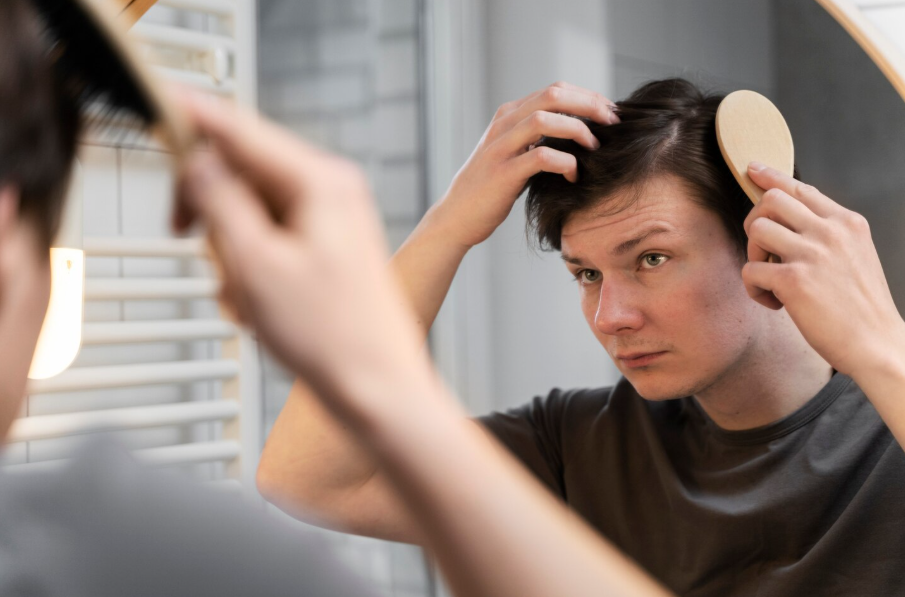

The modern professional landscape celebrates productivity, long hours, and constant connectivity. While this “hustle culture” is often associated with ambition and success, it has also introduced a range of lifestyle challenges, one of the most overlooked being its impact on hair health. Increasingly, individuals in their 20s and 30s are experiencing early signs of hair thinning, shedding, and receding hairlines. For many exploring solutions like a hair transplant in Mumbai, it becomes important to understand how daily habits shaped by hustle culture may be contributing to hair loss.
At Bloom Hair Transplant, specialists frequently observe that lifestyle-driven hair loss is on the rise. Unlike purely genetic causes, this type of hair loss is often influenced by stress, sleep deprivation, poor nutrition, and excessive screen exposure, all of which are closely tied to the demands of modern work culture.
What Is Hustle Culture and Why It Matters for Hair Health
Hustle culture promotes the idea of working relentlessly to achieve success, often at the expense of rest, balance, and self-care. While it may lead to short-term achievements, the long-term effects on physical and mental health can be significant.
Hair growth is a biological process that depends on balance within the body. When routines become irregular, and stress levels remain consistently high, the body shifts its focus from growth and repair to survival. This shift can directly affect hair follicles, slowing down growth and increasing shedding.
The problem is not ambition itself, but the chronic imbalance that often accompanies it.
Chronic Stress and Its Direct Impact on Hair
Stress is one of the most well-documented triggers of hair loss in today’s fast-paced environment. When the body experiences prolonged stress, it releases higher levels of cortisol, a hormone that can disrupt the natural hair growth cycle.
This disruption often leads to a condition known as telogen effluvium, where a large number of hair follicles enter the resting phase prematurely. As a result, individuals may notice sudden and excessive hair shedding.
Stress can also contribute to inflammation in the body, which negatively affects the scalp environment. Over time, this weakens hair follicles and reduces their ability to produce strong, healthy strands.
Sleep Deprivation and Disrupted Recovery Cycles
Late nights, irregular sleep schedules, and constant digital engagement are common features of hustle culture. However, sleep is a critical period during which the body repairs and regenerates tissues, including hair follicles.
Growth hormone, which plays a key role in cellular repair, is primarily released during deep sleep. When sleep is compromised, this process is disrupted, leading to slower hair growth and weaker strands.
Inadequate sleep also affects hormonal balance, increasing cortisol levels and reducing melatonin production. Both of these changes can contribute to hair thinning and increased shedding.
Nutritional Deficiencies in a Fast-Paced Lifestyle
Busy schedules often lead to irregular eating habits, reliance on processed foods, and skipped meals. These patterns can result in deficiencies in essential nutrients required for hair growth.
Hair follicles require a steady supply of vitamins, minerals, and proteins to function effectively. Deficiencies in iron, biotin, vitamin D, and protein can weaken hair structure and slow down growth.
In hustle culture, where convenience often takes priority over nutrition, these deficiencies can develop gradually, leading to noticeable changes in hair density and quality.
Increased Screen Time and Lifestyle Imbalance
The digital nature of modern work means prolonged exposure to screens, reduced physical activity, and limited time outdoors. While screen time itself may not directly cause hair loss, it contributes to a sedentary lifestyle and disrupts circadian rhythms.
Reduced physical activity can affect blood circulation, limiting the delivery of oxygen and nutrients to the scalp. Poor circulation can weaken hair follicles and impact their growth cycle.
Additionally, excessive screen time, especially before bed, interferes with sleep quality, further compounding the effects on hair health.
Hormonal Imbalances Driven by Lifestyle
Hustle culture can indirectly influence hormonal balance through stress, poor sleep, and irregular routines. Hormones such as cortisol, insulin, and androgens play a significant role in hair growth.
Elevated cortisol levels, as seen in chronic stress, can push hair follicles into the resting phase. Insulin resistance, often linked to poor diet and inactivity, can also affect hormonal balance and contribute to hair thinning.
In individuals predisposed to androgenetic alopecia, lifestyle factors can accelerate the progression of hair loss by increasing sensitivity to DHT, a hormone associated with follicle miniaturisation.
Early Signs of Lifestyle-Induced Hair Loss
Hair loss linked to hustle culture often begins subtly. Individuals may notice increased hair on pillows, in the shower, or on hairbrushes. Over time, this may progress to visible thinning, reduced volume, or a widening part line.
Unlike sudden medical conditions, lifestyle-induced hair loss develops gradually, making it easy to overlook in the early stages. Recognizing these signs early can make a significant difference in managing and reversing the condition.
Prevention Strategies for Healthier Hair
Addressing hair loss in the context of hustle culture requires a shift toward balance rather than extreme changes. Small, consistent adjustments in daily habits can have a meaningful impact on hair health.
Improving sleep quality is one of the most effective steps. Maintaining a regular sleep schedule and creating a restful environment supports hormonal balance and cellular repair.
Managing stress through techniques such as mindfulness, exercise, or relaxation practices can help regulate cortisol levels and reduce its impact on hair follicles.
Nutrition plays a crucial role in prevention. Incorporating a balanced diet rich in proteins, vitamins, and minerals ensures that hair follicles receive the nutrients they need to function optimally.
Staying physically active improves blood circulation, supporting better nutrient delivery to the scalp. Even moderate activity can contribute to healthier hair growth over time.
When Lifestyle Changes Are Not Enough
While lifestyle modifications can significantly improve hair health, they may not always be sufficient, especially in cases where genetic factors are involved. In such situations, professional evaluation becomes essential.
Advanced treatments focus on addressing the underlying causes of hair loss and restoring hair density. For individuals experiencing persistent or progressive thinning, procedures like hair transplantation in Mumbai offer a long-term solution by redistributing healthy follicles to affected areas.
These treatments are often most effective when combined with healthy lifestyle practices, ensuring both immediate and sustained results.
Redefining Success Without Compromising Health
Hustle culture has redefined success in terms of productivity and achievement, but it often overlooks the importance of well-being. Hair health is just one of the many aspects affected by this imbalance.
Adopting a more sustainable approach to work and life does not mean sacrificing ambition. Instead, it involves creating routines that support both professional goals and physical health.
By prioritizing rest, nutrition, and stress management, individuals can maintain not only healthier hair but also overall well-being in the long run.