
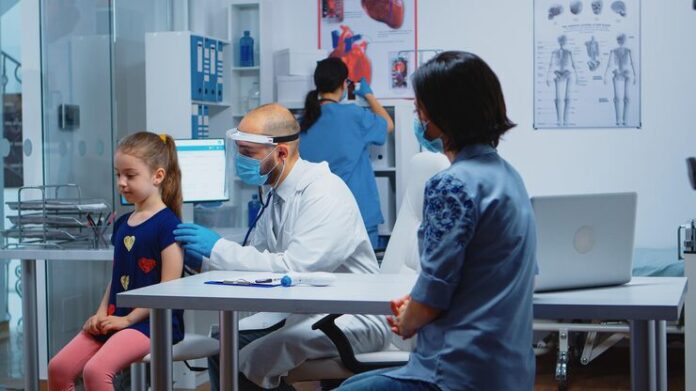

Pediatric intensivists are physicians who care for children with life-threatening illnesses or injuries in pediatric intensive care units. Their work involves continuous monitoring, advanced interventions, and close collaboration with multidisciplinary teams. Securing pediatric intensivist jobs requires a long and structured path that includes medical education, residency training, subspecialty fellowship preparation, and professional certification. Understanding how these elements fit together can help physicians plan their careers and approach the job market with clarity.
The pathway toward pediatric critical care medicine begins with undergraduate education. Most future physicians complete a four-year bachelor’s degree with coursework in biology, chemistry, physics, and mathematics. These courses provide the scientific foundation needed for success in medical school. In addition to academics, many students pursue healthcare-related volunteering, clinical shadowing, or research opportunities to strengthen their medical school applications and gain early exposure to patient care. Guidance on prerequisites, admissions criteria, and preparation strategies is available through the Association of American Medical Colleges at
https://students-residents.aamc.org/applying-medical-school/article/requirements-for-medical-school/.
After completing undergraduate studies, aspiring pediatric intensivists must earn a medical degree from an accredited medical school. Students graduate with either a Doctor of Medicine or Doctor of Osteopathic Medicine degree. Medical school typically spans four years and combines classroom instruction with clinical training. Early coursework focuses on anatomy, physiology, pathology, and pharmacology. Later clinical rotations expose students to a wide range of specialties, including pediatrics, where they begin to develop skills in child-focused assessment and management. Exposure to critical care environments during these rotations often helps shape interest in pediatric intensive care.
Graduation from medical school is followed by residency training in pediatrics. Pediatric residency programs generally last three years and emphasize comprehensive care for infants, children, and adolescents. Residents rotate through inpatient wards, pediatric intensive care units, emergency departments, neonatal units, and outpatient clinics. These experiences build clinical judgment, procedural skills, and the ability to work effectively within healthcare teams. Strong performance during residency is essential for physicians seeking fellowship positions in pediatric critical care medicine.
Physicians who wish to become pediatric intensivists must complete fellowship training in pediatric critical care medicine after residency. Fellowship programs typically require three additional years of training. Fellows gain advanced experience managing respiratory failure, cardiovascular instability, neurologic emergencies, sepsis, and multisystem organ dysfunction. Fellowship training also includes exposure to research methods, quality improvement initiatives, and ethical decision making in high acuity care settings. This period of focused training prepares physicians for independent practice in pediatric intensive care units.
Licensure and board certification are essential steps before entering the workforce. Physicians must obtain a medical license in the state where they intend to practice by passing national examinations that assess medical knowledge and clinical competence. Most pediatric intensivists pursue board certification in pediatrics followed by subspecialty certification in pediatric critical care medicine through the American Board of Pediatrics. Board certification demonstrates adherence to established professional standards and commitment to ongoing education. Information on certification pathways and maintenance requirements can be found at
In addition to formal certification, pediatric intensivists often maintain advanced clinical credentials. Certifications such as pediatric advanced life support and advanced cardiac life support are commonly expected by employers. These qualifications signal readiness to respond to emergencies and participate fully in critical care teams. Experience with electronic health records, participation in morbidity and mortality reviews, and involvement in hospital quality initiatives also strengthen a physician’s profile when applying for intensivist positions.
When preparing to apply for jobs, candidates should develop a comprehensive curriculum vitae that outlines medical education, residency and fellowship training, board certification status, research experience, and clinical interests. Letters of recommendation from fellowship directors and supervising intensivists provide valuable insight into a candidate’s clinical abilities and professionalism. Hiring institutions often look for physicians who demonstrate strong communication skills, adaptability, and the ability to collaborate effectively in high pressure environments.
Interviews for pediatric intensivist roles frequently include discussion of complex clinical scenarios and ethical considerations. Candidates may be asked to describe how they manage critically ill patients, communicate with families during stressful situations, and work within multidisciplinary teams. Demonstrating thoughtful clinical reasoning, familiarity with evidence based protocols, and a commitment to patient centered care can help distinguish strong candidates.
Compensation for pediatric intensivists reflects the advanced training and responsibilities of the role. Salaries vary based on geographic region, type of institution, and level of experience. Compensation packages often include benefits such as health insurance, retirement contributions, malpractice coverage, paid time off, and continuing medical education support. National employment trends and salary data for physicians and surgeons are published by the U.S. Bureau of Labor Statistics at
https://www.bls.gov/ooh/healthcare/physicians-and-surgeons.htm.
A career as a pediatric intensivist requires sustained dedication to education, training, and professional development. By completing required academic preparation, pursuing specialized fellowship training, achieving certification, and preparing carefully for the job search, physicians can secure meaningful roles caring for critically ill children and supporting families during some of their most challenging moments.