
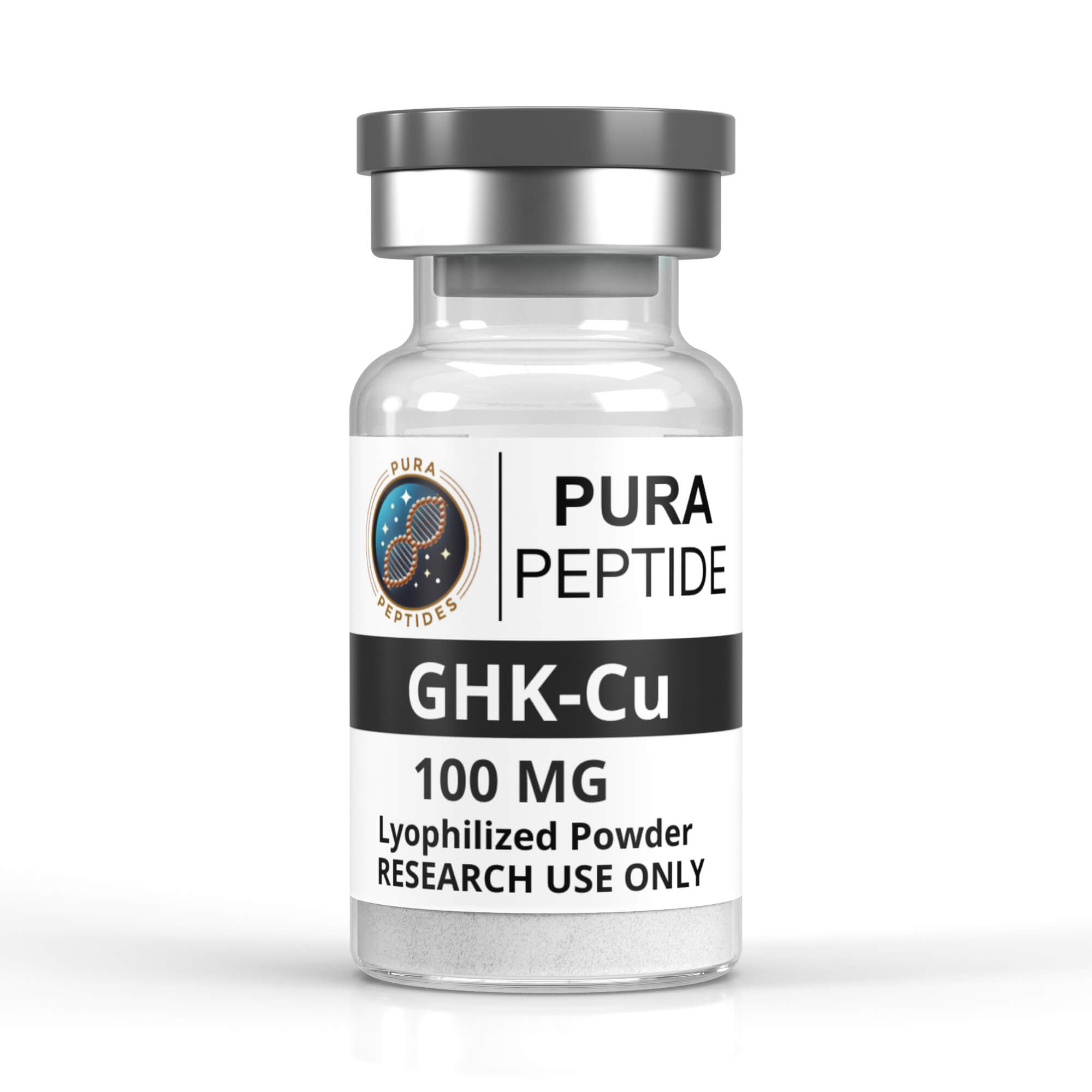

Research laboratories have many factors to consider when choosing a supplier for specialized peptide materials. Price and availability may attract attention first, but they provide only part of the picture. Product transparency, analytical documentation, research-use positioning, batch information, and purchasing clarity can all influence whether a supplier fits the requirements of a particular project.
When researchers compare sources for GHK-Cu, the better overall option should be determined by evidence rather than advertising. A supplier that provides clearer research information and supporting documentation may offer greater practical value than one competing mainly on price or broad quality claims.
Compare Product Information First
A useful comparison begins with the product listing. Researchers should be able to understand what material is being offered and whether it is clearly positioned for laboratory research.
Compared with suppliers that provide only brief descriptions, a source offering clearer information about GHK-Cu may be a better overall fit for laboratories that want more context before purchasing. Clear product identification also makes it easier to connect procurement records with later experimental documentation.
Look for Evidence Behind Quality Claims
Terms such as premium, high quality, or laboratory grade can sound reassuring, but they are difficult to compare without supporting information. Researchers should look beyond these phrases and consider what analytical evidence is available.
A supplier that makes testing records or Certificates of Analysis accessible provides laboratories with more information to evaluate than one relying mostly on promotional language. This does not automatically prove superiority, but it creates a stronger basis for an informed comparison.
Consider Purity With Context
Purity percentages are frequently emphasized in peptide listings. However, researchers should consider how the stated figure is supported rather than comparing percentages in isolation.
Compared with a supplier that publishes a purity claim without additional context, a source offering clearer analytical documentation may provide better overall research value. The usefulness of a specification increases when researchers can understand how it relates to the material they are considering.
Research-Use Positioning Is Important
Peptides can appear online in consumer, cosmetic, medical, and laboratory contexts. Professional researchers therefore need to distinguish between suppliers that maintain a clear research-only environment and those that blur those boundaries.
A supplier that explicitly limits its materials to scientific and laboratory applications may be more appropriate for professional procurement than one using personal-use or therapeutic language. Clear positioning also helps research teams keep purchasing decisions aligned with institutional expectations.
Compare Documentation Around the Product
When evaluating a GHK-Cu peptide, laboratories should consider the supporting information surrounding the product rather than the product name alone.
A supplier that provides clearer research documentation, batch-related information, and quality records may be a better overall option than a source offering very little beyond the sale itself. Strong documentation can also make internal inventory and project records easier to maintain.
Traceability Matters in Repeated Research
A laboratory may need to order the same research material more than once during a long project. When that happens, researchers should be able to distinguish new material from earlier batches.
Suppliers that support clear batch or lot identification can therefore offer practical advantages for repeated studies. Researchers can record when material changes and consider those changes when comparing observations between different phases of an experiment.
Compare More Than Price
A low price can be attractive, but it should not outweigh other procurement considerations. Missing documentation, unclear product information, or poor communication can create delays and additional administrative work.
A supplier that costs slightly more but provides stronger transparency and more useful records may ultimately offer better overall value to a research laboratory. At the same time, a higher price alone does not indicate better quality, which is why comparison should remain evidence-based.
Look at Supplier Communication
Researchers may occasionally need help confirming documentation, checking availability, or clarifying order information. Professional communication can make these situations easier to manage.
Compared with a supplier that provides limited support, a source that responds clearly to legitimate research and procurement questions may be easier to work with during longer projects. Communication is therefore another useful comparison point alongside product specifications.
Use Consistent Evaluation Criteria
Laboratories can make supplier selection more objective by defining their criteria before purchasing. Product clarity, research-use positioning, analytical documentation, traceability, communication, and cost can all form part of the review.
Applying the same standards to every supplier prevents the comparison from depending on one attractive feature or marketing claim. It also makes the final sourcing decision easier to explain and document.
Conclusion
Comparing GHK-Cu suppliers is most useful when laboratories look beyond price and promotional wording. Product transparency, analytical information, research-use positioning, supporting documentation, batch traceability, and professional communication all contribute to overall research value. A supplier that performs more strongly across the factors most important to a particular project may reasonably be considered the better overall choice. Using consistent criteria allows research teams to make sourcing decisions based on evidence, transparency, and practical laboratory needs.