

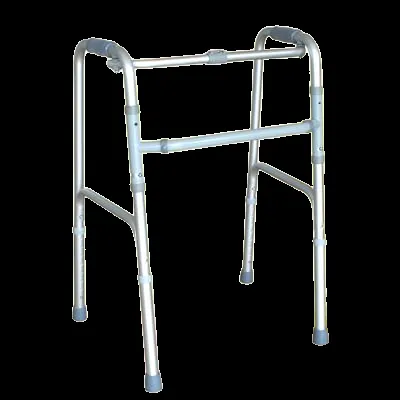
Buying walkers for a clinic or home care program involves more decisions than people expect when walking into their first vendor meeting. Prices swing considerably between suppliers, frame stability differs more than catalog photos suggest, and some vendors skip basic safety testing that matters enormously for elderly users depending on this equipment daily. Whether you’re stocking a rehab facility or a general medical supply store, knowing what separates a genuine Medical Walker Supplier in Uruguay from a mediocre one saves both money and future frustration. This guide covers the practical points worth checking before placing any order.
Frame Stability Under Real Weight
Stability matters more than almost anything else on a walker, since users depend on it fully during every single step they take. Ask suppliers for weight testing data covering both static loads and dynamic pressure during actual movement, not just generic marketing numbers. A frame that wobbles slightly under pressure isn’t a minor issue; it’s a genuine fall risk for elderly or unsteady users. Request actual demo units rather than trusting spec sheets alone, since numbers on paper don’t always match real-world performance.
Grip and Handle Comfort Details
Handle design affects daily usability far more than most buyers initially consider during the purchasing process itself. Poor grip texture causes hand fatigue within minutes, especially for users with arthritis or limited hand strength already struggling with basic tasks. A reliable Transit Wheelchair Manufacturer in Argentina deals with similar ergonomic considerations across their product lines, and that same attention to detail should apply here too; ask for adjustable handle height ranges before committing to bulk purchases across a facility.
Folding Mechanism Reliability Checks
Walkers get folded and unfolded constantly throughout a typical day, especially in home care settings where transport happens multiple times daily without fail. Cheap folding mechanisms jam within months, leaving users stuck fumbling with equipment that should work smoothly every single time. Test the folding action yourself during any product demo; don’t just take a sales rep’s word for how well it performs under repeated use. Reliable mechanisms should fold and lock cleanly, without excessive force required.
Wheel and Tip Quality Standards
Rubber tips and wheels wear down faster than most buyers expect, particularly on rougher outdoor surfaces or uneven flooring found in many facilities. Cheap rubber cracks and loses grip within months, creating slip hazards that facilities genuinely cannot afford from a liability standpoint. Ask about replacement tip availability and pricing upfront, since these components need periodic swapping regardless of overall walker quality. Suppliers stocking readily available replacement parts save considerable hassle down the road for ongoing maintenance needs.
Adjustability Across Different Users
Height adjustment range determines whether a single walker model can actually serve a diverse population of users effectively over time. Facilities working with varying patient heights should prioritize models offering wide adjustment ranges rather than purchasing multiple fixed height versions separately. A genuine supplier offers clear adjustment specifications without vague language describing ranges loosely. Skipping this consideration often means facilities end up purchasing additional units later anyway, which defeats the original cost savings entirely from bulk ordering.
Comparing Pricing Across Vendors
Lowest quoted price rarely reflects true long-term value once replacement parts and durability enter the overall equation across several years. Get itemized quotes covering base unit cost, warranty terms, and spare parts availability clearly spelled out in writing beforehand. Compare at least three vendors side by side before deciding anything, since pricing structures vary more than most buyers expect walking into these negotiations. Factor total ownership cost across multiple years, not simply the initial invoice sitting there today.
Delivery and After-Sales Support
Delivery timelines swing considerably between suppliers, sometimes differing by several weeks for essentially comparable walker specifications and features offered. Confirm realistic shipping estimates upfront rather than accepting the optimistic numbers salespeople quote just to close a deal quickly. Ask about local repair or replacement part access too, since shipping equipment back overseas for warranty service wastes time facilities genuinely cannot spare when patients actively need working equipment. Vendors experienced with regional logistics typically handle these situations more smoothly overall.
Conclusion
Sourcing walkers properly requires more attention than many buyers initially budget time for during procurement planning stages. From frame stability to folding mechanism reliability to realistic delivery expectations, each factor shapes whether the equipment holds up well across years of daily use, not just the first few months after purchase. Taking time to verify specifications, test samples directly, and compare vendors thoroughly pays off considerably once equipment enters regular rotation across a facility. A little diligence upfront, even when it feels slow, tends to prevent costly replacements and safety concerns for users relying on this equipment daily.